

Wire Railing Deck vs Other Railing Options: Complete Comparison
Choosing between a wire railing deck and other railing options can shape how your entire outdoor space looks and feels. You want something that fits your style, protects your view, and holds up over time. The right choice depends on how you plan to use your deck and what matters most to you.
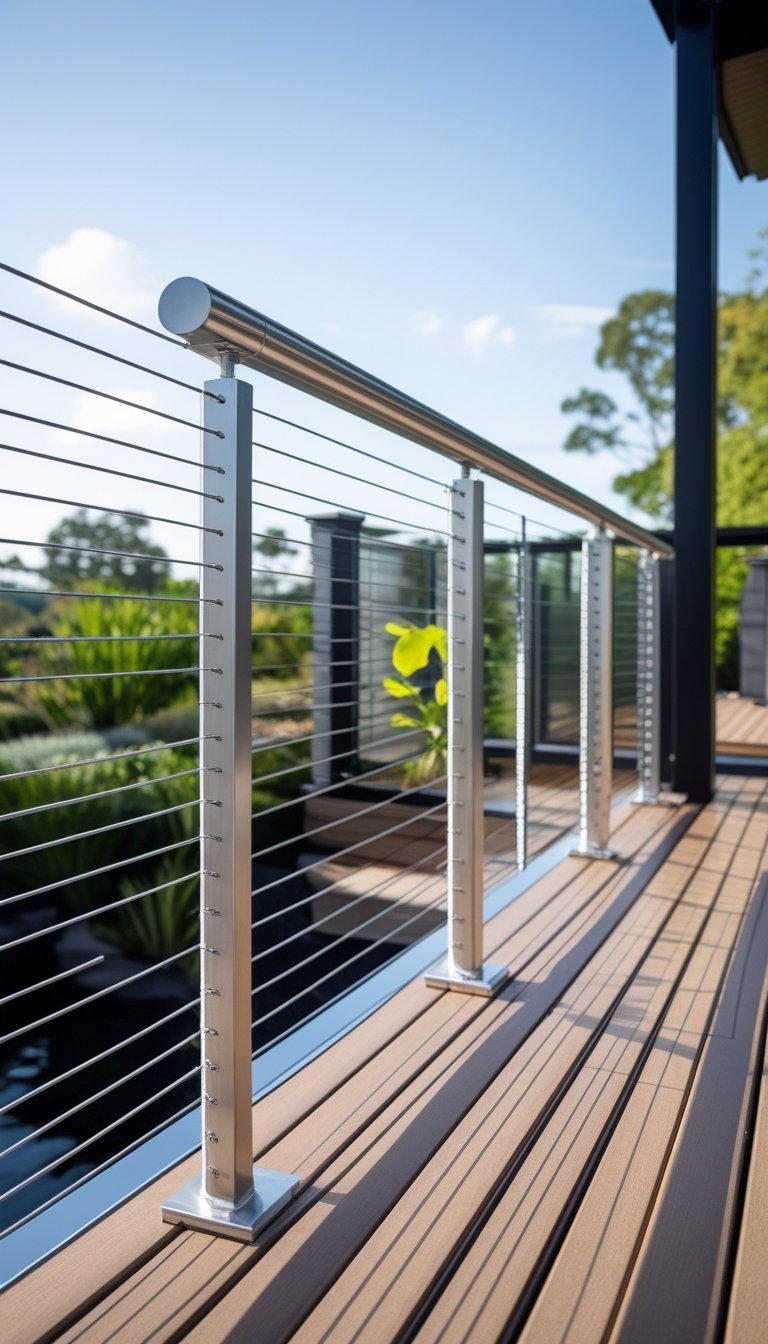
Wire railing stands out for its clean look and open views, but it may cost more and require careful installation compared to wood, vinyl, or composite systems. You get thin horizontal cables that keep sightlines clear, which works well if your deck overlooks water, trees, or open land. At the same time, you need proper tension and strong posts to meet safety codes.
As you compare wire railing to wood, aluminum, vinyl, glass, and composite, you will see clear tradeoffs in cost, maintenance, strength, and style. When you understand these differences, you can choose a railing that fits your budget and matches your home without second guessing the decision later.
What Is Wire Railing for Decks?
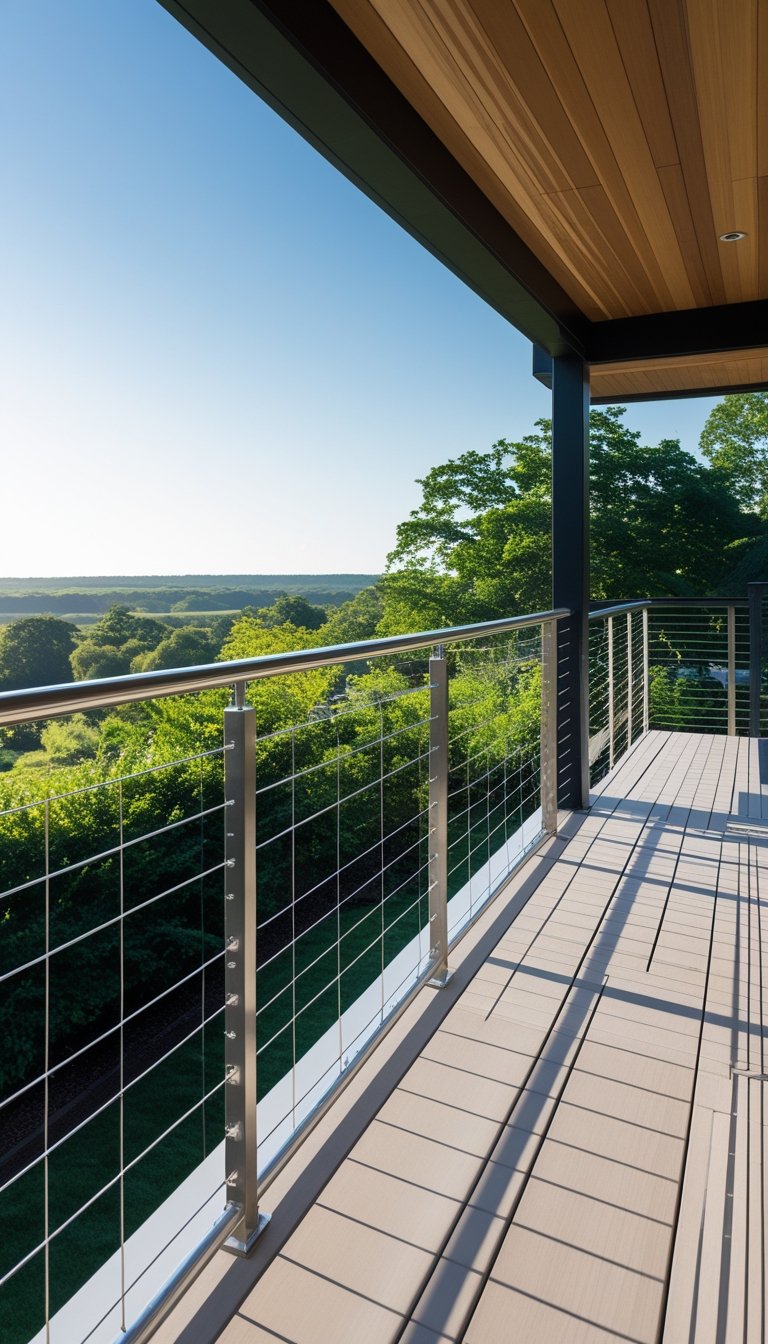
Wire railing for decks uses tight metal cables instead of wood or metal balusters. You get open views, strong safety, and a clean look when the system uses the right parts and proper spacing.
Components of Wire Railing Systems
Wire railing, often called cable railing systems, relies on a few key parts that work together under tension. Each part affects safety, code compliance, and long-term performance.
Main components include:
- Posts – support the cables and anchor the system to the deck frame
- Stainless steel cables – run horizontally or vertically between posts
- Tensioners and fittings – tighten and secure each cable
- Top rail – adds strength and gives you a graspable surface
You mount the posts to the deck framing, not just the surface boards. This step prevents movement when you tighten the cables.
Many homeowners choose cable railing for its modern look and clear sightlines. Guides such as this overview of cable deck railing explain how tension and spacing keep the system safe and stable.
Stainless Steel Cables Explained
Stainless steel cables form the infill of your deck railing. They create a barrier without blocking your view.
Most systems use marine-grade stainless steel because it resists rust and corrosion. This matters if your deck faces rain, snow, or coastal air. Lower grades may stain or weaken over time.
Cables come in different diameters, often 1/8 inch or 3/16 inch. Thicker cables feel more rigid but may cost more. You must tension them correctly so they do not sag.
Some designs run cables horizontally. Others run them vertically to reduce climbing concerns. Many manufacturers highlight these benefits in their guides to modern cable deck railing systems, including tips on durability and installation.
You should inspect cables once or twice a year and re-tighten them if needed.
Common Post and Top Rail Materials
Posts and the top rail define the strength and style of your wire railing. They also affect how the system attaches to your deck frame.
Common post materials include:
- Pressure-treated wood – affordable and easy to match with wood decks
- Aluminum – lightweight and low maintenance
- Steel – strong but may need protective coating
- Composite sleeves over wood cores – blend durability with color options
The top rail plays a structural role. It helps resist cable tension and provides a solid handhold. Building codes often require a sturdy, graspable top rail for safety.
If you compare options in detail, this guide on types of deck railing explains how cable systems differ from wood, glass, and metal picket designs.
You should choose post and top rail materials that match your deck structure, climate, and maintenance goals.
Wire Railing Deck: Key Benefits and Drawbacks
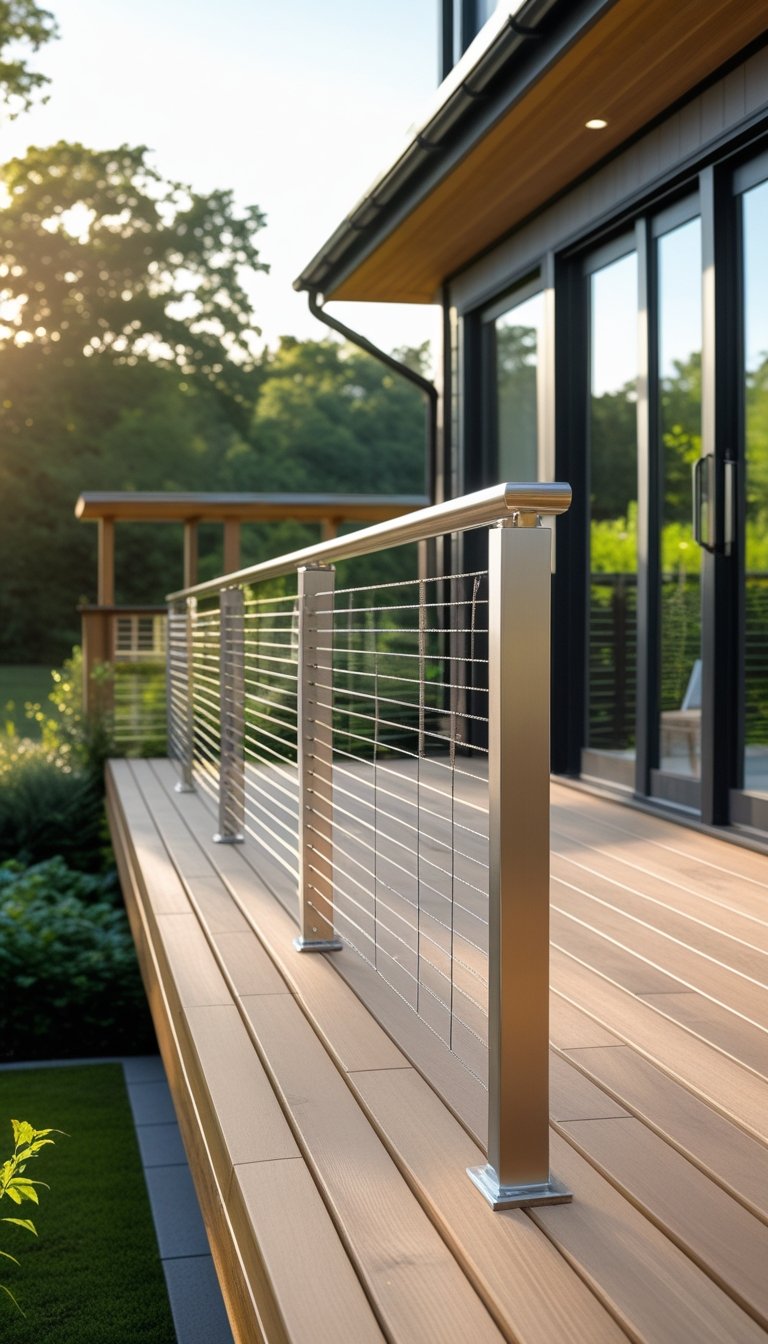
A wire railing deck gives you clear sightlines, strong materials, and a clean look. You also need to understand how it handles weather and what railing maintenance it requires over time.
Unobstructed View and Visual Appeal
You get an unobstructed view with wire railing because thin stainless steel cables replace thick balusters or panels. When you stand or sit on your deck, you see more of your yard, water, or skyline without visual blocks.
This matters most on raised decks, rooftop spaces, and homes with scenic surroundings. Many homeowners choose this system for its clean lines and open feel, as explained in this guide to wire cable railing pros, cons and best uses.
Wire railing also supports modern deck design. It pairs well with wood posts, metal frames, and composite decking. If you want a sleek look instead of a traditional style, cables create a simple frame around your space instead of a visual wall.
You should also consider spacing and layout. Horizontal cables look sharp but may require careful planning if you have young children.
Durability and Weather Resistance
Most wire railing systems use stainless steel cables. This material resists rust and corrosion better than painted steel or untreated metal.
You benefit most in wet or coastal areas. Marine-grade stainless steel holds up well against moisture and salt air when installed correctly.
Compared to wood railings, cables do not warp, crack, or rot. Aluminum pickets also resist rust, but they can dent more easily than tensioned steel cables. Several comparisons of cable systems, such as this overview of pros and cons of cable railing, highlight strength and long service life as key advantages.
Durability still depends on quality hardware and proper tension. If cables loosen over time, they may sag and affect both safety and appearance.
Maintenance Requirements
Wire railing requires less upkeep than wood, but it is not maintenance free. You need to clean the cables and fittings to remove dirt, pollen, and salt buildup.
In most climates, you can wash the system with mild soap and water a few times per year. In coastal areas, you may need to rinse more often to protect the finish.
You should also check cable tension. Over time, temperature changes and normal use can cause slight loosening. Tightening fittings keeps the railing firm and code compliant.
Compared to wood, you avoid sanding, staining, and repainting. Compared to glass panels, you spend less time wiping fingerprints and water spots. This balance makes wire railing a practical choice if you want low but active railing maintenance as part of your deck care routine.
Direct Comparison: Wire Railing Deck vs Other Railing Types
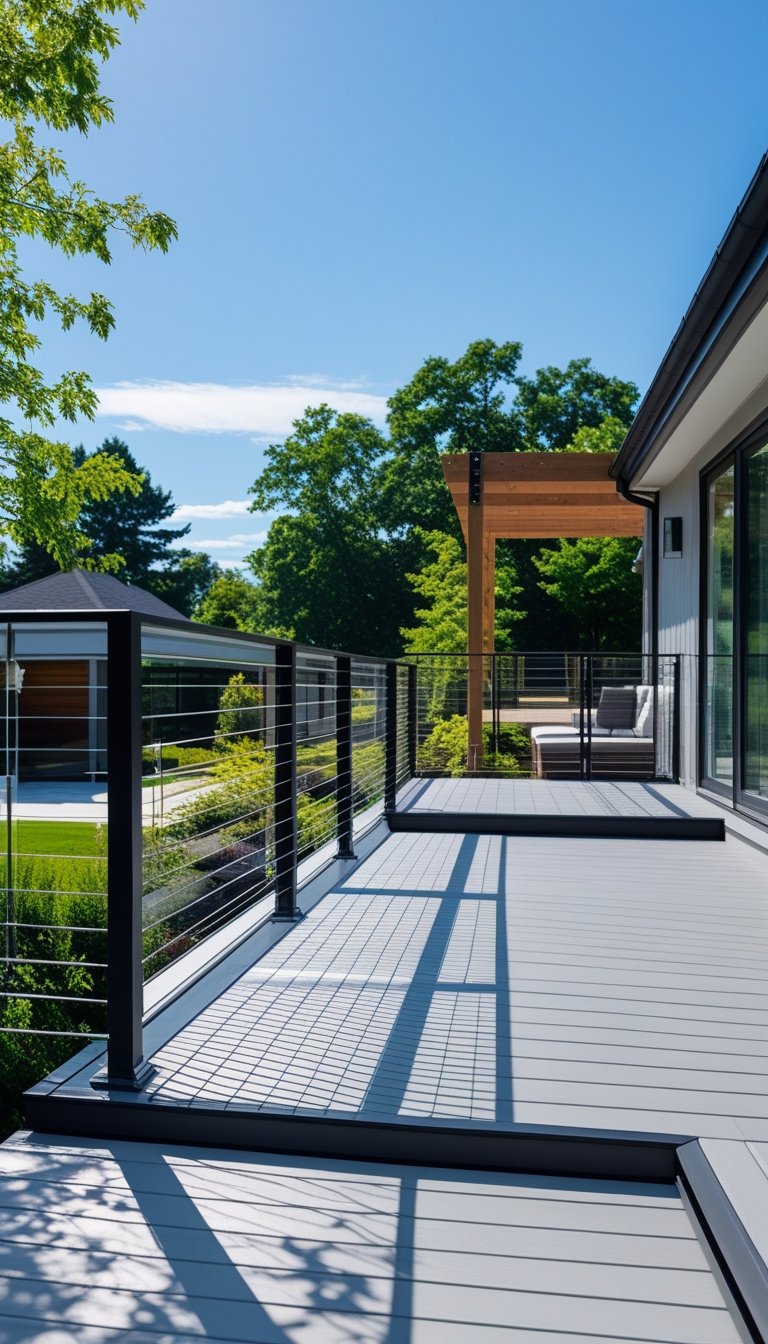
You have several strong deck railing options, but each one changes how your deck looks, feels, and performs. Wire railing stands out for open views and a modern style, while wood, composite, and aluminum railings offer different costs, maintenance levels, and design effects.
Wire Railing Deck vs Wood Railing
A wire railing deck uses stainless steel cables with metal posts. This design keeps sightlines open and works well if you want clear views of a yard, water, or trees. Many homeowners choose it for a clean, modern look, similar to systems discussed in this guide to deck railing options: cable, aluminum, and composite.
Wood railings create a traditional style. You can cut and stain wood railings to match almost any home design. They also cost less up front. In fact, wood is often the most affordable choice among common types of deck railing, as explained in this overview of the pros and cons of different deck railings.
Maintenance is the main difference.
- Wire railing: You may need to tighten cables over time. Metal railing parts resist rot and insects.
- Wood railing: You must stain or seal it every few years. Wood can crack, warp, or rot without care.
If you want low upkeep and open views, wire railing has a clear edge. If you prefer warmth and lower initial cost, wood railing fits better.
Wire Railing Deck vs Composite Railing
Composite railings blend wood fibers and plastic. They look solid and often come in white, black, or brown. Many brands promote them as low maintenance, which you can see in this breakdown of different types of deck railing.
A wire railing deck feels lighter and more open. Composite railing blocks more of your view because it uses thicker posts and balusters. If you value visibility, cable systems win.
Maintenance differs in small but important ways.
- Wire railing: Clean cables and check tension from time to time.
- Composite railing: Wash it occasionally. You do not stain or seal it.
Cost also matters. Composite railings usually cost more than wood but less than high-end cable systems. You pay more for wire railing, but you gain a modern metal railing look and better sightlines.
Wire Railing Deck vs Aluminum Railing
Aluminum railings use vertical pickets between posts. They resist rust and need very little care. Many homeowners choose aluminum railing for strength and fast installation, as described in this guide to types of deck railings.
Wire railing also uses metal posts, often aluminum, but replaces pickets with horizontal cables. This change affects both style and function.
Key differences:
- View: Wire railing keeps your view more open than aluminum picket railings.
- Style: Aluminum railings fit both classic and modern homes. Wire railing leans more modern.
- Safety feel: Some people feel more secure with solid vertical pickets, especially around children.
Both aluminum railings and wire systems fall under metal railings, so they resist rot and insects. Your choice comes down to how open you want your deck to feel and how modern you want it to look.
Other Popular Deck Railing Options
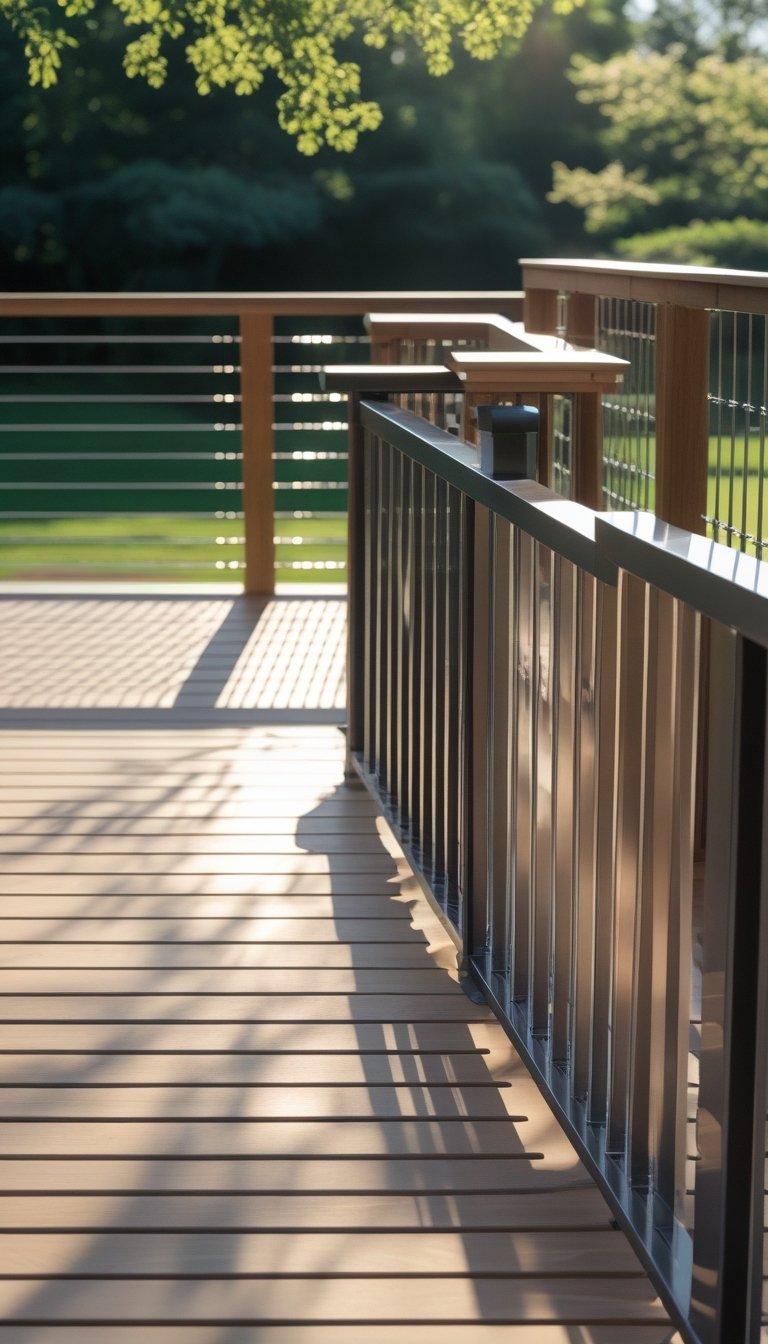
You have several strong choices beyond wire railing. Each option changes how your deck looks, how much work it needs, and how long it will last. Cost, upkeep, and view lines should guide your decision.
Vinyl Railing Advantages and Limitations
Vinyl railing gives you a clean, uniform look. Many homeowners choose it for low upkeep and simple installation.
You do not need to paint or stain vinyl. You can wash it with soap and water to remove dirt and pollen. That makes it easier to maintain than wood deck railings.
Most systems come in white, tan, or basic neutral colors. Manufacturers sell prebuilt kits with posts, rails, and balusters. This speeds up installation and keeps labor costs steady.
Vinyl does have limits. It can become brittle in very cold weather. Strong impact may crack it.
It also lacks the strength of steel railing or aluminum systems. Some vinyl railings need metal inserts inside the rails for added support. Over time, cheap vinyl may fade or discolor under strong sun.
If you want low maintenance and a traditional style, vinyl works well. If you want slim lines or a modern look, it may feel bulky.
Glass Panels and Glass Railing Systems
Glass panels create a clear barrier without blocking your view. You see the landscape, not rows of balusters.
Most glass railing systems use tempered safety glass. This glass is much stronger than standard window glass. If it breaks, it shatters into small pieces instead of sharp shards.
You can choose framed or frameless systems. Framed systems hold the panels inside metal posts and top rails. Frameless designs use heavy-duty base shoes or clamps for a more open look.
Glass railing costs more than vinyl or basic metal deck railings. You also need to clean it often. Rain, dust, and fingerprints show clearly.
The benefit is a wide, open feel. Many homeowners looking at modern designs compare cable to glass through guides like this deck railing options: cable, aluminum & composite guide.
Glass works best when you want full views and a sleek style. It works less well if you want privacy.
Steel and Metal Railings
Steel railing gives you high strength and a solid feel. It handles heavy use and resists impact better than vinyl.
You often see steel in vertical balusters or decorative panels. Powder coating helps protect the metal from rust and corrosion. Without coating, steel can rust, especially in wet climates.
Compared to aluminum, steel is heavier. That adds strength but may raise labor costs. It also needs proper sealing at joints and fasteners.
Metal outdoor railings fit both modern and classic homes. Black steel balusters pair well with wood posts. Clean horizontal designs suit newer homes.
Steel usually costs more than vinyl but less than glass railing systems. If you want durability and a firm structure, steel performs well.
Mesh and Alternative Panel Systems
Mesh panels offer a strong, open design. Builders often use welded wire or stainless steel mesh inside a metal frame.
You get airflow and partial visibility. At the same time, the tight grid improves safety for pets and small children.
Mesh works well in modern or industrial designs. It pairs with wood, steel railing, or aluminum frames. Compared to cable railing, mesh requires less tension adjustment over time.
Other alternative panels include perforated metal sheets and decorative cut panels. These add privacy and bold patterns.
When choosing these systems, check local building codes. Spacing and panel strength must meet safety rules for deck railings.
Mesh and panel systems suit you if you want a balance of openness, strength, and unique style.
Factors to Consider When Choosing a Deck Railing
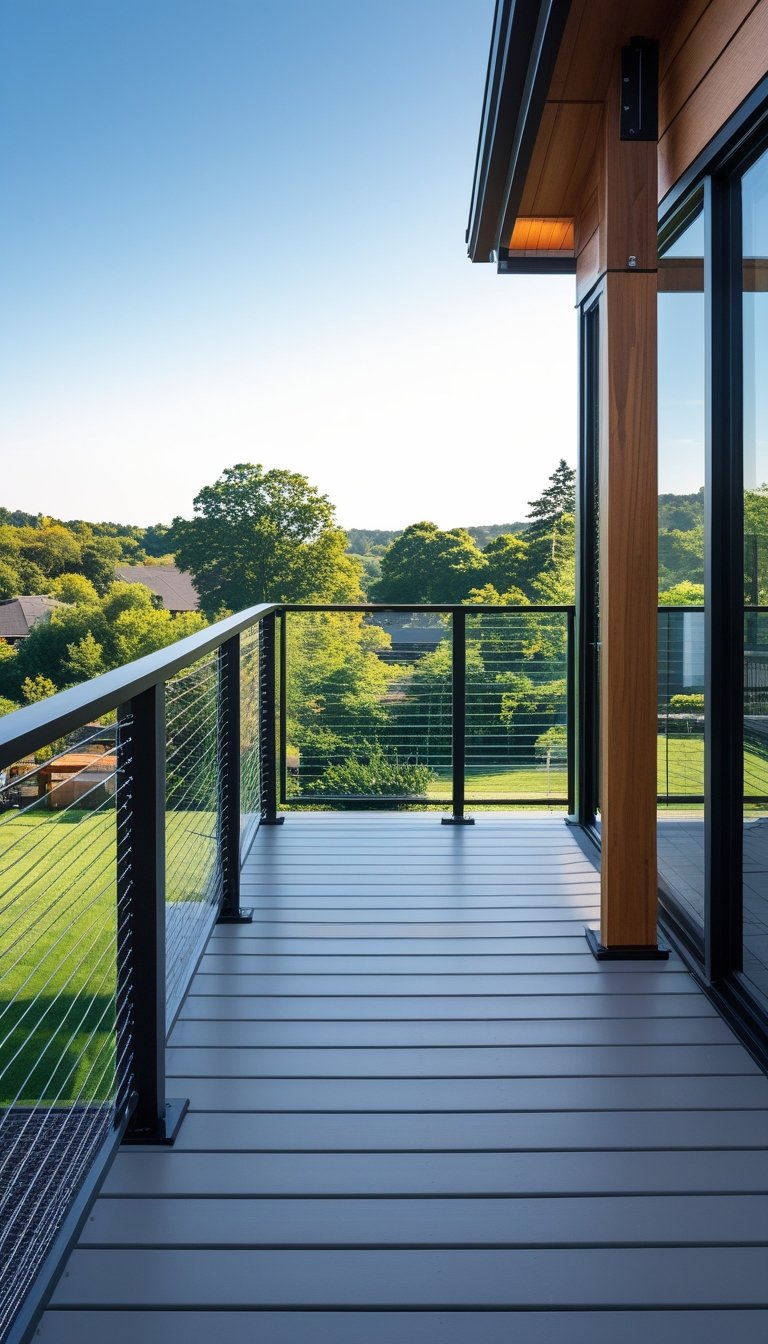
You need to weigh cost, installation effort, and safety rules before you choose a railing system. Each factor affects how your outdoor railing performs, how long it lasts, and how much work it requires from you.
Affordability and Total Cost
You should look beyond the sticker price. The total cost includes materials, hardware, maintenance, and possible repairs.
Wood railing systems often cost less upfront. However, you must stain or seal them every few years. Paint, stain, and labor add up over time.
Wire railing, also called cable railing, usually costs more at the start. Stainless steel cables and tension fittings increase material costs. Yet they need little maintenance besides cleaning and occasional tension checks.
Composite and vinyl fall in the middle to high range. They cost more than wood but require less upkeep. Metal systems, such as aluminum, often cost more than wood but resist rust and warping.
Focus on:
- Initial material cost
- Long-term maintenance expenses
- Replacement parts and hardware
- Expected lifespan in your climate
When you compare railing systems, calculate at least 10 years of ownership costs.
Ease of Installation and DIY Suitability
Installation affects both your budget and your timeline. Some outdoor railing systems are simple to assemble, while others require precise measuring and tensioning.
Wood railing is often the most DIY-friendly. You can cut rails and balusters with common tools. Many homeowners feel comfortable installing it.
Metal panel systems can also work well for DIY. Some options come in pre-assembled sections. You can review guides like this overview of how to choose the right deck railing to compare installation demands.
Wire railing requires more precision. You must drill straight holes, run cables evenly, and tighten them to the correct tension. Improper tension can cause sagging.
Before you decide, ask yourself:
- Do you own the right tools?
- Can you follow detailed layout measurements?
- Will you hire a contractor if needed?
Labor costs can change the total price quickly.
Safety, Railing Height, and Building Codes
Safety should guide every decision. Your railing must meet local building codes for height, spacing, and strength.
Most residential decks require a minimum railing height of 36 inches. Some areas require 42 inches, especially for higher decks. Always check your local code before you buy materials.
Baluster and cable spacing also matters. Openings usually cannot allow a 4-inch sphere to pass through. This rule protects children from slipping through gaps.
Wire railing systems need correct cable spacing and strong end posts. Cables must stay tight to prevent climbing or sagging. You can compare material options in this guide to comparing different materials for deck railing to see how strength and durability vary.
Pay attention to:
- Required railing height
- Post spacing and structural support
- Hardware strength and corrosion resistance
A code-compliant outdoor railing protects your family and prevents costly changes later.
Style, Design, and Customization Options
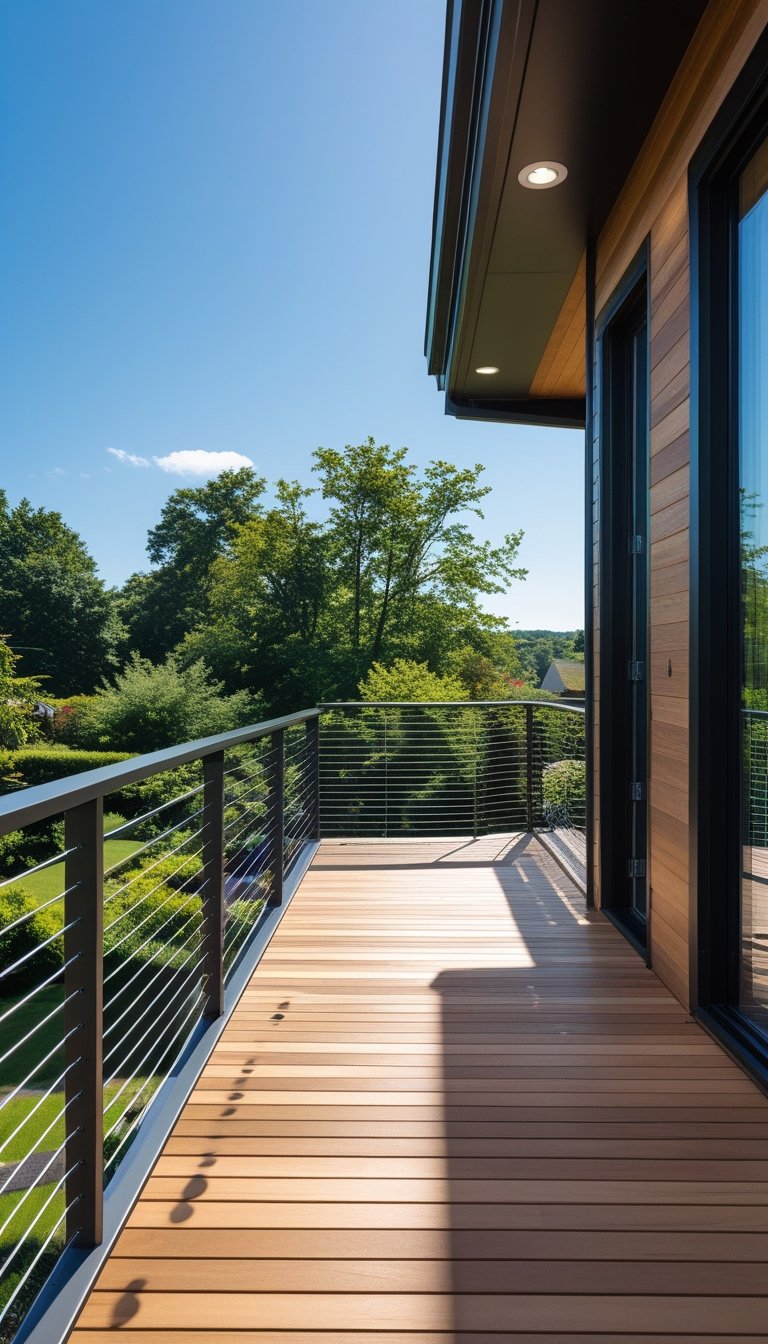
Your railing choice shapes how your deck looks and feels. You control the lines, colors, and details that match your home and daily use.
Railing Styles and Aesthetic Choices
Wire railing, often called cable railing, gives you thin horizontal lines and open views. It fits modern homes and decks with water, woods, or wide yards. Many homeowners choose it to keep sightlines clear, similar to systems shown in this guide to cable, aluminum, and composite deck railing options.
If you prefer a more traditional look, you may lean toward vertical pickets. Aluminum pickets create clean, narrow lines. Composite pickets look thicker and closer to painted wood.
Brands like Trex and TimberTech offer composite railing systems that mimic classic wood profiles. You get the shape of traditional rails without constant painting.
You can also mix materials. For example:
- Wood posts with cable infill
- Aluminum posts with composite top rails
- Composite sleeves over pressure-treated posts
Each combination changes the feel of your deck design without changing the layout.
Top Rail Variations and Drink Rail Additions
The top rail affects both style and function. A rounded rail feels traditional. A flat rail feels modern and simple.
Many homeowners add a drink rail, which is a flat board that sits on top of the railing frame. It creates a stable surface for cups, plates, or small planters.
Common drink rail materials include:
- Composite materials from Trex or TimberTech
- PVC boards
- Matching deck boards
Composite drink rails resist rot and fading better than untreated wood. They also match the deck surface, which creates a clean and unified look.
You should also check local code rules before changing rail height. Adding a drink rail can slightly raise the final height of the system.
Color, Finish, and Post Cap Options
Color plays a big role in how bold or subtle your railing looks. Black aluminum and black cable systems blend into the background and keep attention on the view.
Composite railing systems often come in white, tan, gray, and darker tones. As explained in this overview of different types of deck railing and material benefits, composite materials offer a wide range of colors that do not require repainting.
Finish options include:
- Textured matte coatings on aluminum
- Smooth gloss finishes on vinyl
- Woodgrain patterns in composite materials
Post caps add another design layer. You can choose flat caps for a clean look or pyramid caps for a classic style. Some systems offer solar light caps, which improve visibility at night without extra wiring.
Small details like post caps, rail shape, and finish color often define whether your railing feels modern, traditional, or somewhere in between.


